How do you apply a reservation deposit to the final check without confusing guests or servers?
Most deposit complaints happen at the end of the meal, not the start. Settling the deposit on the check takes a decided method, a POS habit, and a one-line explanation the server can give.
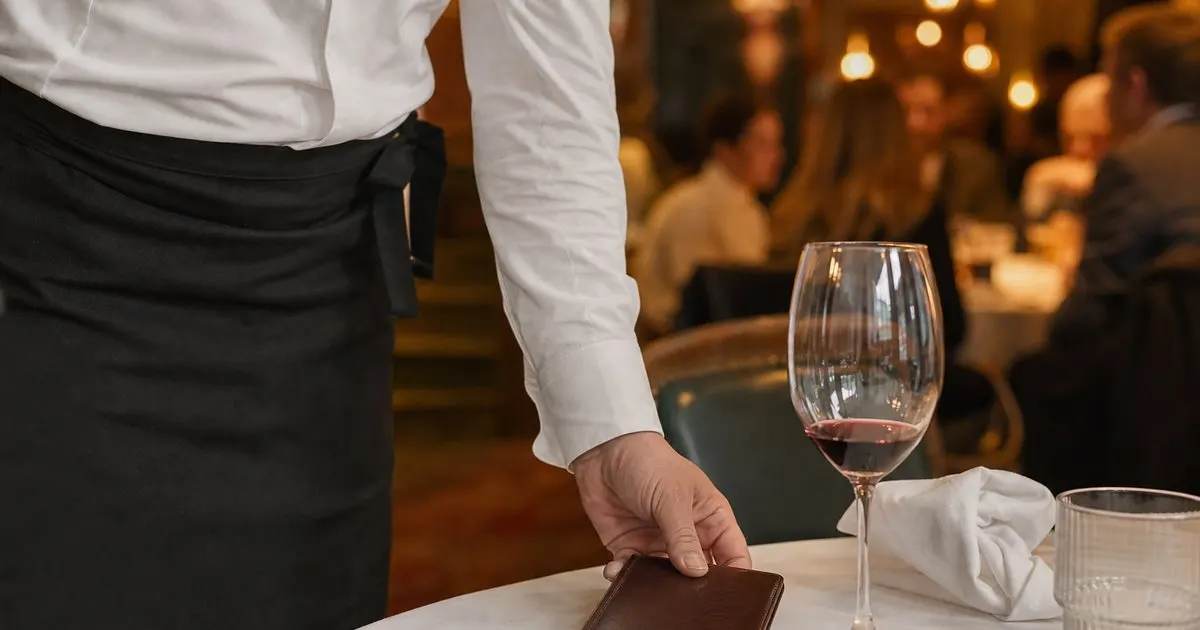
Pick one settlement model and use it everywhere
There are three honest ways to settle a deposit at the end of service, and the trouble starts when a restaurant uses all three depending on who is closing. You can apply the deposit as a credit against the final check, so the guest pays the difference. You can release an uncaptured card hold when the party arrives, so nothing was ever taken and the guest pays the full check normally. Or you can refund the captured deposit after the meal, so the guest pays in full and sees the money return over the following days. Each is defensible. Mixing them means guests who dined with you twice get two different experiences and start assuming one of them was a mistake. Related: Making Deposits Guest Friendly
For most restaurants, applying the deposit as a credit on the check is the cleanest choice, because the guest sees the value of what they paid at the exact moment they are thinking about money. Releasing a hold is the simplest operationally and works well when the deposit is small and never captured. Refunding after the fact is the weakest option in practice, since it asks the guest to trust a transaction they cannot see yet, and it generates the most follow-up calls. Whichever you choose, write it down, make it identical across phone bookings, online bookings, and walk-in conversions, and say it out loud in the confirmation message. Related: Which Bookings Need a Deposit
Keep reading: Why No Shows Hurt Restaurants So Much, How a Deposit Changes Behavior, Making Deposits Guest Friendly. See how HoldTabl helps you no-show deposit collection for restaurant reservations.
Give the deposit one consistent line in the POS
The mechanical question is how the credit appears on the check, and the answer should be a single agreed method rather than whatever the closing manager improvises. Most point of sale systems can handle a prepayment as a tender, similar to how a gift certificate or a house account payment is applied, which keeps the food and beverage sales figures intact and simply reduces the balance due. That is usually the right shape. Ringing the deposit in as a discount or a comp is the common shortcut and it distorts your numbers, understating sales and muddying how much you actually discounted that week.
Set this up once with whoever administers your system, give the button a name servers cannot misread, and put a short instruction card by the terminal. Then check the reports for the first two weeks to confirm the deposits are landing where you expect. Sales tax treatment on deposits and on forfeited deposits varies by state and by how the payment is structured, so this is a question for your accountant rather than for the internet, and it is much easier to answer when every deposit has been recorded the same way. Consistency in the POS is what turns an awkward end-of-night question into a report you can actually read. Related: Handling Deposits Fairly
Brief the server, because the guest asks them first
The guest will not call the office to ask how their deposit was handled. They will ask the person who drops the check, usually in a slightly wary tone, and the answer they get in that moment decides whether the policy felt fair. Every server working a section with deposit bookings should know, before service, which tables paid a deposit, how much, and how it will appear on the bill. Print it on the reservation sheet or flag it in the table notes so nobody has to go find a manager mid service. Related: How a Deposit Changes Behavior
Then give them one sentence to say when they present the check. Something like the deposit you paid when you booked is already applied here, so this is the remaining balance, is enough. Saying it proactively, before the guest scans the total looking for it, removes almost all of the friction. Servers should also know what to do when the credit is missing from a check, which is to fix it at the terminal immediately rather than promising a refund later. A deposit that has to be chased after the guest leaves costs you far more goodwill than it ever protected.
Decide the edge cases now so nobody improvises at the table
Three situations account for most of the arguments. First, tipping: when the deposit is applied as a credit, suggested tip lines calculated on the remaining balance quietly shortchange the server, so set your system to base gratuity suggestions on the full pre-credit subtotal and tell your team that is how it works. Second, split checks: decide whether the deposit reduces the organizer's portion or is divided across the party, and default to the organizer since that is who paid it. Third, a deposit larger than the check, which happens with small parties on prepaid nights.
For that last one, pick a rule and publish it. Common approaches are to refund the difference, to leave it as a credit for a future visit, or to state clearly at booking that the prepaid amount is a minimum spend. Any of these is acceptable when the guest was told beforehand and none of them is acceptable as a surprise. The same goes for parties that arrive smaller than booked. Write down whether the full deposit still applies to the check, and make sure the host and the closing manager give the same answer, because a guest who hears two versions in one evening will remember the meal for the wrong reason.
- Choose one settlement model, credit on the check, released hold, or later refund, and apply it to every booking channel.
- Ring deposits as a prepayment tender rather than a discount or comp so sales reports stay accurate.
- Flag deposit tables on the reservation sheet and give servers one sentence to say when dropping the check.
- Settle tipping basis, split checks, and deposits larger than the bill in writing before they come up at a table.

Julien Jimenez
Julien Jimenez is an independent software builder based in Paris. He designs, ships, and operates focused SaaS products for small businesses and independent professionals. Read the full author page.
End no shows without turning guests away
No-show deposit collection for restaurant reservations. HoldTabl is built to help you put this into practice.
Protect my tablesMore from the HoldTabl blog

Why No Shows Hurt Restaurants So Much

How a Deposit Changes Behavior

Making Deposits Guest Friendly
Get the HoldTabl playbook
Practical guides on reservation deposits, straight to your inbox as we publish them. No spam, unsubscribe any time.