Which works better for a restaurant, a card hold or a charged deposit?
Holds feel gentler, charges are more certain. The right pick depends on how far out you book, how big the party is, and how your processor handles each.
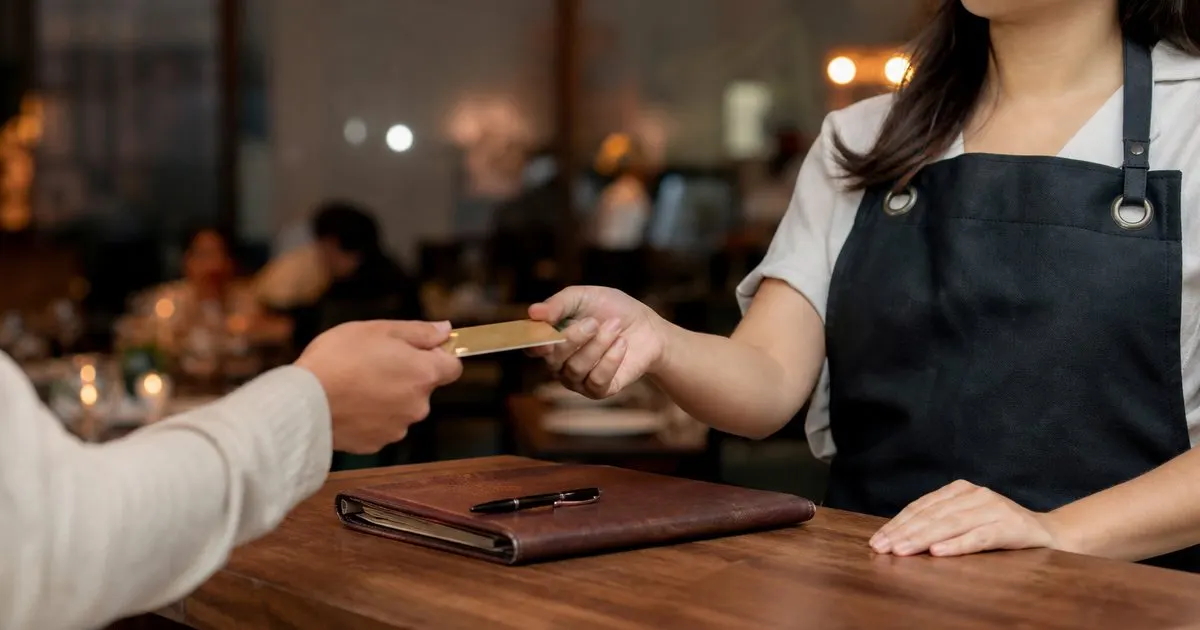
What each option actually does to the guest's money
A card hold, formally an authorization, asks the guest's bank to set aside the deposit amount without moving it. The guest sees a pending line on their statement, the funds are unavailable to them, and nothing settles unless you later capture the authorization. A charged deposit captures the money immediately: it leaves the guest's account, arrives in yours after settlement, and comes back only if you issue a refund. A third pattern, keeping a card on file and charging a fee only after a no-show, moves no money at all at booking time and relies on the guest's prior consent to a later charge. Related: How much should a restaurant charge as a reservation deposit per guest?
These differences matter more than they look on a comparison table. A hold feels lighter to the guest because no money has left their account, which reduces pushback at the booking step, but pending amounts confuse people who do not understand why their available balance dropped. A charge is unambiguous but creates a refund obligation for every guest who shows up, and refunds take days to reappear on a statement. A card on file has the least friction up front and the most friction later, because a surprise charge after the fact is exactly what generates disputes.
Keep reading: Why No Shows Hurt Restaurants So Much, How a Deposit Changes Behavior, Making Deposits Guest Friendly. See how HoldTabl helps you no-show deposit collection for restaurant reservations.
Holds expire, and that decides most of the question
Card authorizations do not last forever. Networks and issuers release uncaptured holds after a limited number of days, and the exact window varies by card type and bank. That means a hold placed at booking time only works if the reservation date, plus your cancellation cutoff, falls inside that window. For a table booked three days out, a hold is usually fine. For a holiday seating booked six weeks ahead, the hold will have fallen off long before the night, and you will be relying on re-authorizing the card later, which can fail if the card was replaced, frozen, or maxed out.
Some systems work around this by placing the hold closer to the reservation date rather than at booking, for example when the cancellation window opens. That preserves the gentler guest experience while keeping the authorization valid when you actually need it. It does introduce a failure mode: if the re-authorization is declined a day before service, you now have a confirmed table with no security, and someone has to call the guest. Ask your provider exactly when holds are placed, how failures are handled, and whether staff are notified in time to act. Related: Making Deposits Guest Friendly
Charged deposits win for events, large parties, and long lead times
When food is ordered, staff are scheduled, or a room is blocked because of a booking, you want money that has actually settled. A captured deposit cannot expire, cannot be declined later, and it clarifies for the guest that this is a real commitment. It also simplifies accounting for ticketed events, where the deposit may be the full menu price and the transaction is closer to a sale than a security measure. Large parties in particular benefit from a charge, because the organizer is usually collecting from friends and prefers to settle a known amount early rather than have a hold sit on their personal card. Related: How a Deposit Changes Behavior
The cost of this certainty is the refund flow. Every no-show policy needs a clear rule for what happens to the charged amount when the guest arrives: applied to the bill, refunded automatically after the visit, or refunded on request. Applied to the bill is usually the cleanest because it requires no separate transaction and no explanation, but it needs your point-of-sale process to recognize prepaid amounts reliably. Also ask your processor what portion of the fee, if any, is returned on a refund; charging and refunding every booking for small amounts can add a steady cost with no revenue behind it.
A practical way to choose per booking type
Most restaurants do not need to pick one method for the entire book. A reasonable split is to use a hold or a card on file for standard a la carte reservations within a short lead time, where the goal is simply to make no-shows less casual; use a captured deposit for parties above a size threshold, for reservations made far in advance, and for anything with prepped food; and use full prepayment for ticketed menus and buyouts. Write the mapping down so hosts know which applies without thinking about it. Related: Why No Shows Hurt Restaurants So Much
Whichever methods you use, the consent language has to be explicit. The guest must see the amount, the trigger for keeping or charging it, and the deadline before they confirm, and the system should record that they accepted it. Never write card numbers down or store them outside your processor's tokenized card-on-file feature, both because of card industry security rules and because a scrawled number on a reservation sheet is a liability waiting to happen. The method you choose is a detail; recorded consent and a recognizable name on the guest's statement are what keep the charge from becoming a dispute.
- A hold reserves funds without moving them, a charge captures them, and a card on file defers everything to a later fee.
- Holds expire after a limited period that varies by issuer, so they only fit short lead times or late placement.
- Captured deposits are the safer choice for large parties, prepped menus, and bookings made weeks ahead.
- Split methods by booking type, record explicit consent, and keep card data inside your processor's tokenized storage.

Julien Jimenez
Julien Jimenez is an independent software builder based in Paris. He designs, ships, and operates focused SaaS products for small businesses and independent professionals. Read the full author page.
End no shows without turning guests away
No-show deposit collection for restaurant reservations. HoldTabl is built to help you put this into practice.
Protect my tablesMore from the HoldTabl blog
Why No Shows Hurt Restaurants So Much

How a Deposit Changes Behavior

Making Deposits Guest Friendly
Get the HoldTabl playbook
Practical guides on reservation deposits, straight to your inbox as we publish them. No spam, unsubscribe any time.